
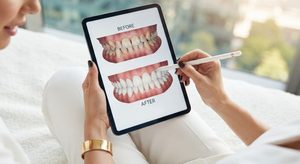
Many people think of cosmetic dentistry as a modern innovation. Treatments like teeth whitening, veneers, and more all seem like the purview of recent generations. But the truth is that cosmetic dentistry has existed in some form for thousands of years! Would you like to learn more about its fascinating history? Travel back in time as you read this informative blog post.
Cosmetic Dentistry’s Ancient Origins
Some of the earliest evidence of cosmetic dentistry shows up in Etruscan artifacts from around 700 BCE. Apparently, these early people used materials like bone, ivory, and even human and animal teeth, to replace missing teeth. These substitutes were secured in place with gold bands.
The ancient Egyptians also dabbled in cosmetic pursuits. They crafted crowns and bridges out of gold and even tried to replace lost teeth with carefully shaped shells. To remove dental stains, they used a rough paste made of vinegar and pumice.
The Romans took a different spin on creating beautiful smiles. They used urine, which is rich in ammonia, to whiten teeth. While that might seem shocking and even repulsive, it was actually moderately effective!
Cosmetic Dentistry in the Middle Ages
In the Middle Ages, barbers did more than cut hair. They often served as their communities’ dentists! Some of them whitened teeth with a file and acid solution. That did make the teeth look brighter, but as you can imagine, it also severely damaged them. Around the same time period, dentures were frequently made of materials like ivory and bone.
New Materials for Enhancing Smiles
In the 18th century, cosmetic dentistry made some significant advancements. Porcelain began to be used for restorations. Its clean, lifelike appearance looked more natural than any of its predecessors. Later, materials like plastic, acrylic, and vulcanized rubber made dentures more comfortable and more practical.
Modern Advancements
In the 20th century, cosmetic dentistry really started to become what it is today. Veneers made their debut in the 1930s; they were not very durable, but they could be used to help Hollywood actors look their best on screen. In the 1980s, veneers started to become commonplace thanks to breakthroughs in adhesive materials. Teeth whitening also became safer and more practical as peroxide-based treatments were found to be effective and convenient.
Now, more than 25 years into the 21st century, innovation continues. Things like digital impressions, soft tissue lasers, and more are continuing to change the way dentists and patients approach cosmetic treatments. Ask your dentist what tools and methods they use to help patients achieve more beautiful smiles. Yes, you can be grateful that urine and pumice are no longer part of cosmetic dentistry!
Meet the Practice
Dr. Zac Young is a Fellow of the Academy of General Dentistry who is certified in Invisalign and laser treatments. He and our team are proud to provide top-quality care to the Palos Heights community. Whether you want to transform your smile or make subtle enhancements, we offer cosmetic services that can help. To learn more about us or to request an appointment, contact Revival Dentistry at 708-448-4161.